How to Evaluate an Aluminum Extrusion Supplier Before You Sign
Custom aluminum profiles now sit at the core of products in industrial automation, renewable energy, rail interiors, and architectural systems. Because the profile itself is engineered alongside the product, the supplier you choose becomes a long-term technical partner rather than a commodity vendor. Price lists tell you very little at this stage. What matters is how a manufacturer performs across five practical dimensions.
1. Real Production Capacity, Not Brochure Capacity
Ask concrete questions: how many extrusion presses are running, at what tonnages, and what billet diameter and profile circumscribing circle each can handle? A factory with presses of several different tonnages can match your section to the most efficient press instead of forcing it through whatever happens to be free. Also confirm in-house tooling—when die design and die correction happen under the same roof, first-article iterations take days rather than weeks.
2. Quality Control That Runs Through the Whole Process
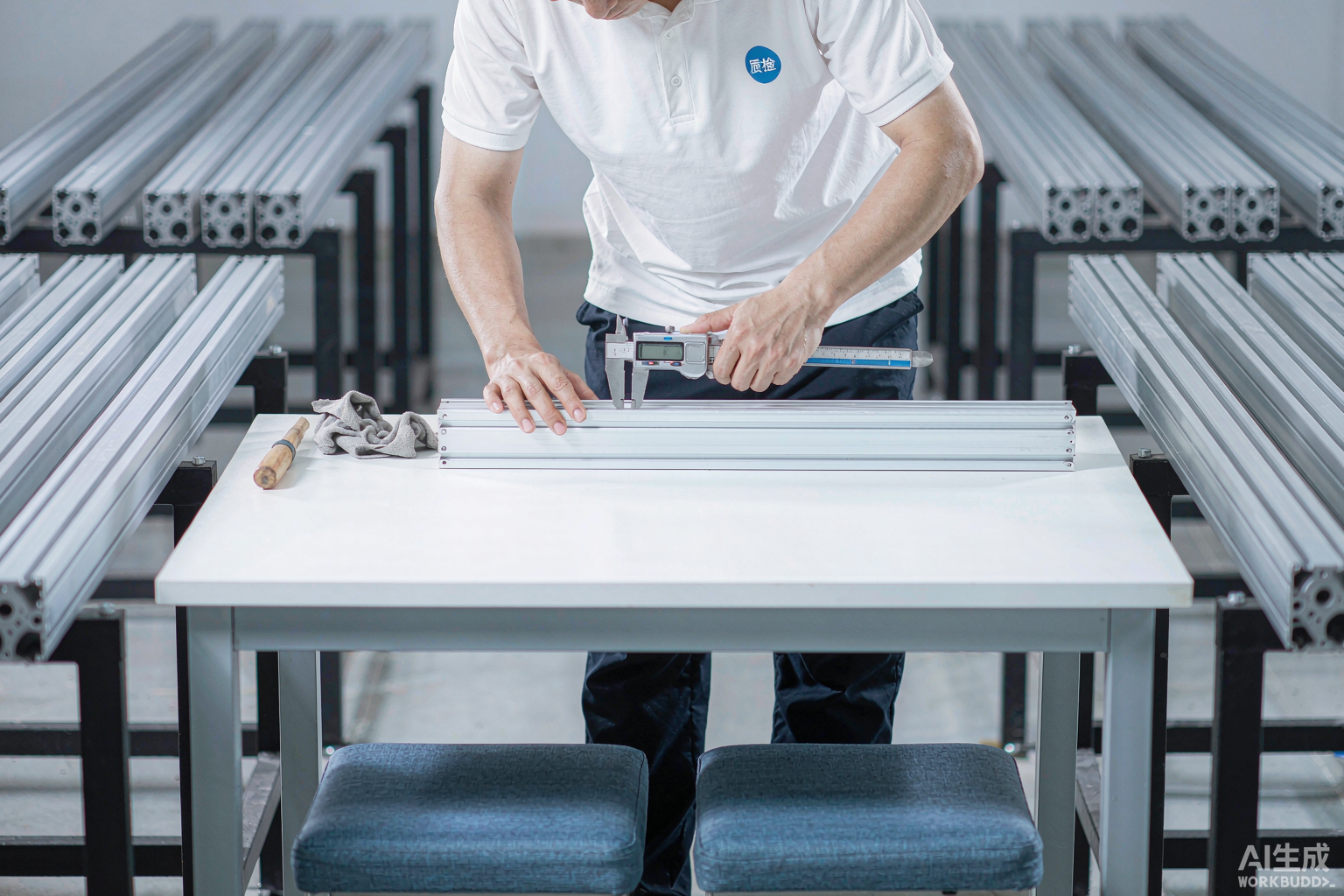
Reliable extruders control quality at defined checkpoints rather than only at final inspection. Look for incoming billet chemistry verification, temperature and speed logs during extrusion, systematic surface checks after finishing, and dimensional sampling against the drawing on every production run. For visible or load-bearing profiles, ask whether the lab can produce material certificates and finishing reports—spectrometer readings for the alloy, coating thickness for anodized or powder-coated surfaces. These documents are what protect you when a batch is questioned months later.
3. Engineering Depth Behind the Customization Service
Any supplier can say “send us your drawing.” The differentiator is what happens next. Strong suppliers review the cross-section for extrudability, propose wall-thickness adjustments that save cost, and flag features that will cause die breakage or warping. During prototyping they explain each correction rather than silently resubmitting. That engineering conversation, held before the die is cut, is where most project cost is actually saved.
4. Delivery Performance and Communication
Consistent lead times matter more than one heroic fast delivery. Ask for the on-time rate on recent orders and how the plant schedules die changes and finishing lines. Equally important: does a named engineer respond to technical queries in your working language within a day? Problems are inevitable in custom manufacturing; a supplier that surfaces issues early is far cheaper than one that discovers them at shipment.
5. Total Cost, Not Unit Price
The lowest quoted price often hides the highest landed cost. Compare suppliers on scrap rate during your assembly, machining allowances, finish durability in your service environment, and the cost of reordering when tolerances drift. A slightly higher price from a supplier with tight process control usually wins on total cost within the first production year.
A Simple Way to Start
Send two or three candidate suppliers the same drawing with clear tolerance and finish requirements, then evaluate the quality of their technical response alongside their quote. The difference is usually obvious. You can review our profile product range, inspect our manufacturing capabilities, and request a drawing review through the contact page.